Greensboro Disaster Risk Score & Hazard Analysis
With a population of 345,858 and a calculated risk score of 81.4, Greensboro faces unique challenges. This page is a complete hazard risk assessment for Greensboro, NC. For residents of Greensboro, life moves at its own pace. Unfortunately, nature can be unpredictable in this region. You should be particularly prepared for winter weather events.
Total Risk Score
With a calculated Risk Score of 81.367, Greensboro requires specific preparation. The data highlights Winter Weather as the most critical threat to mitigate.
Winter storm risk in Greensboro, North Carolina
Severe winter weather and ice storms pose a unique threat to Greensboro, potentially causing extended power outages and hazardous road conditions. Infrastructure in the area may be vulnerable to heavy ice accumulation.
Greensboro Winter Grid Failure Prep
- •Have a safe, indoor-rated backup heat source
- •Insulate pipes and know how to shut off main water valve
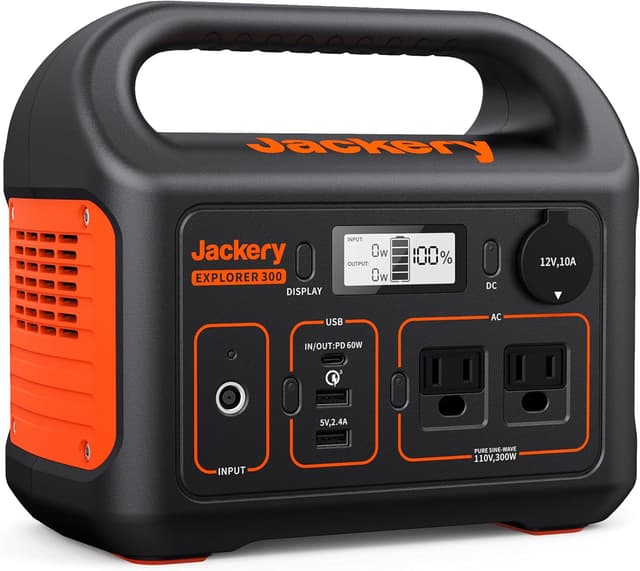
- •Keep a backup battery bank for charging phones
Top Hazards for The Greensboro Area
As population density grows in North Carolina, future climate projections suggest an uptick in winter weather severity. However, our modeling, based on FEMA and NOAA datasets, assigns a score of 99.5/100. Power outages often accompany these events, making backup power (like batteries) essential.
Considering the historical weather trends in North Carolina, data indicates that Greensboro has a higher-than-average exposure to lightning. It is important to note that this metric (score: 97.9) aligns with federal disaster declarations for the county. Keeping trees trimmed near power lines reduces the risk of prolonged outages.
Historically, the climate of North Carolina dictates that historical precedents show that ice storms are an ever-present reality. As a result, the aggregate danger score for this specific hazard stands at 93.2. A NOAA weather radio with battery backup is the most reliable way to receive alerts.
Winter Grid Failure Guide
Greensboro has significant winter storm risk. Learn the thermodynamics of survival when the power goes out.

The Apartment Fortress
Living in Greensboro? Learn how to handle water storage, sanitation, and security in a small space.
How to Prepare in Greensboro
Read the Full Guide →General preparedness is critical for Greensboro. While specific risks vary, the fundamentals of survival—water, food, and information—remain the same.
Critical Action Checklist
- 1Keep a physical map of the local area in case GPS fails.
- 2Maintain a 3-day supply of non-perishable food and water.
- 3Have a first aid kit and a supply of prescription medications.
- 4Keep a battery-powered radio to stay informed during power outages.
- 5Establish a family communication plan for when cell towers are down.
Essential Gear for Greensboro

Power
Anker PowerCore 10K
Pocket-sized power to keep your phone alive for emergency calls.

Home
Gorilla Tape (Black)
Heavy-duty tape for emergency repairs, sealing windows, or medical improvisation.

Pets
PetBonus Collapsible Dog Bowls
Collapsible bowls for easy packing. Hydration is critical for pets during stress.
Do not wait for a Winter Weather warning to start packing. Secure your essential gear today.
View Complete Gear Checklist →Compare Nearby Cities
| City | Risk Score | Analysis |
|---|---|---|
| Charlotte | 88.3 | When compared to Charlotte, Greensboro is statistically safer. The difference of 7.0 points highlights local geological and meteorological variations. |
| Raleigh | 90.2 | Choosing between Greensboro and Raleigh? Greensboro presents a lower overall risk profile. |
| Winston-Salem | 73.3 | Choosing between Greensboro and Winston-Salem? Greensboro presents a unique set of challenges. |
| Durham | 80.9 | When compared to Durham, Greensboro is slightly higher risk. The difference of 0.5 points highlights local geological and meteorological variations. |
| Fayetteville | 88.3 | When compared to Fayetteville, Greensboro is statistically safer. The difference of 6.9 points highlights local geological and meteorological variations. |
Frequently Asked Questions
How common are Winter Weathers in Greensboro?
With a risk score of 99.5 for Winter Weather, Greensboro is considered highly vulnerable. Residents should have a specific plan for Winter Weather events, which are the primary driver of the city's overall risk profile.
Is Greensboro safer than other cities in North Carolina?
It varies by hazard. While Greensboro has its own risk profile (Total Score: 81.4), it is generally comparable to the average in North Carolina. See our state rankings for a direct comparison.
Should I move to Greensboro given the risk of Lightning?
Every city has risks. The threat of Lightning (Score: 97.9) is manageable with proper preparation. The local infrastructure in Greensboro is designed to handle this, but personal insurance and a 'go-bag' are recommended.
How does Greensboro compare to other cities in North Carolina?
See the full North Carolina Disaster Rankings to see how Greensboro stacks up against other cities in the state.