Honolulu Disaster Risk Score & Hazard Analysis
With a population of 346,323 and a calculated risk score of 91.8, Honolulu faces unique challenges. This page is a complete hazard risk assessment for Honolulu, HI. Living in Honolulu offers a unique lifestyle. But like any location, it has local climate challenges. The most significant threat to be aware of is tsunamis.
Total Risk Score
With a calculated Risk Score of 91.844, Honolulu requires specific preparation. The data highlights Tsunami as the most critical threat to mitigate.
Top Hazards for The Honolulu Area
For residents of Hawaii, it is well known that local patterns show a recurring trend of tsunami activity. Moreover statistical analysis places this risk level at 100.0/100, requiring attention. Homeowners should verify if their property requires a specialized flood policy annex.
Considering the historical weather trends in Hawaii, data indicates that Honolulu has a higher-than-average exposure to wildfires. It is important to note that this metric (score: 99.0) aligns with federal disaster declarations for the county. Having a pre-packed vehicle during fire season is a standard precaution in this area.
The geographical layout of Hawaii means that emergency services prioritize readiness for these earthquake scenarios. Therefore, deep learning models analyzing weather patterns output this risk metric of 97.6. Understanding the local soil type (liquefaction risk) can inform home buying decisions.
Monitor Active Threats
Honolulu has identified seismic or wildfire risks. Check our real-time tracker for active events.

The Apartment Fortress
Living in Honolulu? Learn how to handle water storage, sanitation, and security in a small space.
How to Prepare in Honolulu
Read the Full Guide →General preparedness is critical for Honolulu. While specific risks vary, the fundamentals of survival—water, food, and information—remain the same.
Critical Action Checklist
- 1Keep a physical map of the local area in case GPS fails.
- 2Maintain a 3-day supply of non-perishable food and water.
- 3Have a first aid kit and a supply of prescription medications.
- 4Keep a battery-powered radio to stay informed during power outages.
- 5Establish a family communication plan for when cell towers are down.
Essential Gear for Honolulu

Water
Sawyer Products Mini Water Filtration System
Filters up to 100,000 gallons. Essential when tap water is compromised.

Power
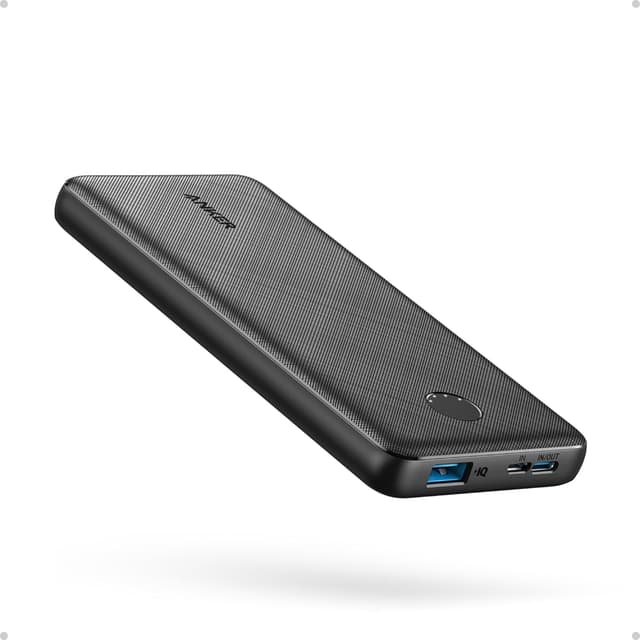
Anker PowerCore 10K
Pocket-sized power to keep your phone alive for emergency calls.

Power
Petzl Actik Core Headlamp
600 lumens and rechargeable. Hands-free lighting is critical during power outages.
Do not wait for a Tsunami warning to start packing. Secure your essential gear today.
View Complete Gear Checklist →Compare Nearby Cities
| City | Risk Score | Analysis |
|---|---|---|
| Kailua | 91.8 | When compared to Kailua, Honolulu is slightly higher risk. The difference of 0.0 points highlights local geological and meteorological variations. |
Frequently Asked Questions
How common are Tsunamis in Honolulu?
With a risk score of 100.0 for Tsunami, Honolulu is considered highly vulnerable. Residents should have a specific plan for Tsunami events, which are the primary driver of the city's overall risk profile.
Is Honolulu safer than other cities in Hawaii?
It varies by hazard. While Honolulu has its own risk profile (Total Score: 91.8), it is among the higher-risk areas in Hawaii. See our state rankings for a direct comparison.
Should I move to Honolulu given the risk of Wildfire?
Every city has risks. The threat of Wildfire (Score: 99.0) is manageable with proper preparation. The local infrastructure in Honolulu is designed to handle this, but personal insurance and a 'go-bag' are recommended.
How does Honolulu compare to other cities in Hawaii?
See the full Hawaii Disaster Rankings to see how Honolulu stacks up against other cities in the state.