Fall River Disaster Risk Score & Hazard Analysis
With a population of 93,764 and a calculated risk score of 82.8, Fall River faces unique challenges. This page is a complete hazard risk assessment for Fall River, MA. The community in Fall River is tight-knit and spirited. But being prepared means knowing what could go wrong. Historical data suggests a pattern of hurricane activity.
Total Risk Score
With a calculated Risk Score of 82.841, Fall River requires specific preparation. The data highlights Hurricane as the most critical threat to mitigate.
Hurricane risk in Fall River, Massachusetts
Being situated in a region vulnerable to tropical cyclones, Fall River faces threats from high winds and storm surge. Historical data shows significant impacts from major storms, requiring robust flood insurance and evacuation planning.
Fall River Hurricane Prep Checklist
- β’Know your specific evacuation zone and local routes
- β’Install storm shutters or measure/cut plywood in advance
- β’Stock at least 7 days of water and non-perishable food
Top Hazards for The Fall River Area
Environmental studies focusing on Massachusetts highlight that the area's infrastructure faces consistent tests from hurricane events. Additionally, federal hazard layers combined with local topography result in this 94.5 score. For those near water, having a 'go-bag' ready for rapid evacuation is non-negotiable.
For residents of Massachusetts, it is well known that local patterns show a recurring trend of landslide activity. Moreover statistical analysis places this risk level at 90.8/100, requiring attention. Having an out-of-area contact is crucial when local communication lines inevitably fail.
Observing the seasonal cycles typical of Massachusetts, ice storms constitute a major variable in the local quality of life equations. Moreover weighted against regional averages, this score of 86.7 is statistically significant. For new residents, understanding the severity of ice storms in their specific zip code is vital.
Winter Grid Failure Guide
Fall River has significant winter storm risk. Learn the thermodynamics of survival when the power goes out.

The Apartment Fortress
Living in Fall River? Learn how to handle water storage, sanitation, and security in a small space.
How to Prepare in Fall River
Read the Full Guide βFor Fall River, water protection is key. The combination of high winds and potential storm surge requires a multi-layered approach. You need to be ready to shelter in place for 72 hours or evacuate at a moment's notice.
Critical Action Checklist
- 1Elevate critical documents and electronics off the floor.
- 2Have a 'Go-Bag' ready in case evacuation orders are issued.
- 3Store at least 1 gallon of water per person per day for 7 days.
- 4Identify your evacuation zone and map out two different routes.
- 5Install storm shutters or have pre-cut plywood ready for windows.
Essential Gear for Fall River

Water
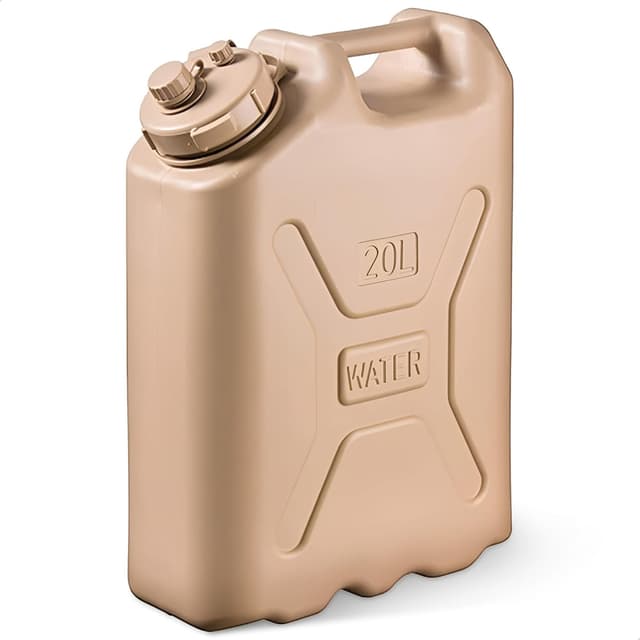
COOZMENT 3.2 Gallon Container with Spigot
A solid middle-ground option with a built-in spigot. Good for camping or countertop use.

Power
Jackery Explorer 300
Keep phones and laptops charged during multi-day outages.

Water
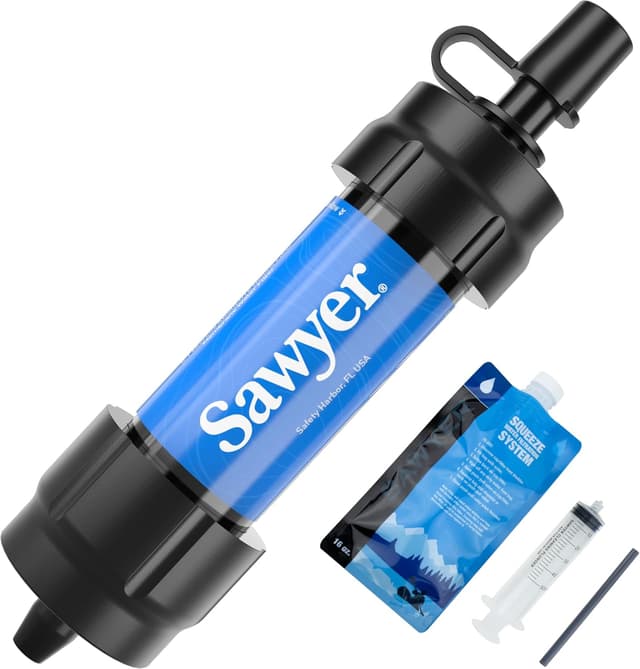
Sawyer Products Mini Water Filtration System
Filters up to 100,000 gallons. Essential when tap water is compromised.
Do not wait for a Hurricane warning to start packing. Secure your essential gear today.
View Complete Gear Checklist βCompare Nearby Cities
| City | Risk Score | Analysis |
|---|---|---|
| Boston | 87.9 | When compared to Boston, Fall River is statistically safer. The difference of 5.0 points highlights local geological and meteorological variations. |
| Worcester | 88.5 | When compared to Worcester, Fall River is statistically safer. The difference of 5.7 points highlights local geological and meteorological variations. |
| Springfield | 74.0 | Springfield and Fall River share similar regional risks, but our data gives Springfield the edge in overall safety. |
| New Bedford | 82.8 | New Bedford and Fall River share similar regional risks, but our data gives New Bedford the edge in overall safety. |
| Cambridge | 93.8 | When compared to Cambridge, Fall River is statistically safer. The difference of 11.0 points highlights local geological and meteorological variations. |
Frequently Asked Questions
How common are Hurricanes in Fall River?
With a risk score of 94.5 for Hurricane, Fall River is considered highly vulnerable. Residents should have a specific plan for Hurricane events, which are the primary driver of the city's overall risk profile.
Is Fall River safer than other cities in Massachusetts?
It varies by hazard. While Fall River has its own risk profile (Total Score: 82.8), it is generally comparable to the average in Massachusetts. See our state rankings for a direct comparison.
Should I move to Fall River given the risk of Landslide?
Every city has risks. The threat of Landslide (Score: 90.8) is manageable with proper preparation. The local infrastructure in Fall River is designed to handle this, but personal insurance and a 'go-bag' are recommended.
How does Fall River compare to other cities in Massachusetts?
See the full Massachusetts Disaster Rankings to see how Fall River stacks up against other cities in the state.