Charleston Disaster Risk Score & Hazard Analysis
With a population of 726,389 and a calculated risk score of 99.0, Charleston faces unique challenges. This page is a complete hazard risk assessment for Charleston, SC. Calling Charleston home means understanding its environment. While often overlooked, the local hazard data is clear. The numbers show a clear susceptibility to hurricanes.
Total Risk Score
Our algorithm assigns Charleston a Risk Score of 99.030 out of 100. This score is heavily influenced by the high probability of Hurricane and Earthquake.
Hurricane risk in Charleston, South Carolina
Being situated in a region vulnerable to tropical cyclones, Charleston faces threats from high winds and storm surge. Historical data shows significant impacts from major storms, requiring robust flood insurance and evacuation planning.
Charleston Hurricane Prep Checklist
- β’Know your specific evacuation zone and local routes
- β’Install storm shutters or measure/cut plywood in advance
- β’Stock at least 7 days of water and non-perishable food
Top Hazards for The Charleston Area
When analyzing the risk profile of South Carolina, Charleston's geography makes it particularly susceptible to hurricane risks. Crucially, we've weighted historical incidence rates to arrive at a localized risk verification of 99.6. Heavy rainfall events can quickly overwhelm local drainage, making situational awareness key.
Looking at the long-term climate history of South Carolina, resilience against earthquakes is a key aspect of local safety. Therefore, we calculate a specific index of 98.9, indicating a substantial threat level. Understanding the local soil type (liquefaction risk) can inform home buying decisions.
Given the environmental patterns common in South Carolina, the potential for lightning in Charleston stands out as a primary factor. Additionally, this score of 98.2 reflects both the frequency and potential severity of events. During these events, checking on elderly neighbors is a critical community responsibility.
Monitor Active Threats
Charleston has identified seismic or wildfire risks. Check our real-time tracker for active events.

The Apartment Fortress
Living in Charleston? Learn how to handle water storage, sanitation, and security in a small space.
How to Prepare in Charleston
Read the Full Guide βFor Charleston, water protection is key. The combination of high winds and potential storm surge requires a multi-layered approach. You need to be ready to shelter in place for 72 hours or evacuate at a moment's notice.
Critical Action Checklist
- 1Elevate critical documents and electronics off the floor.
- 2Have a 'Go-Bag' ready in case evacuation orders are issued.
- 3Store at least 1 gallon of water per person per day for 7 days.
- 4Identify your evacuation zone and map out two different routes.
- 5Install storm shutters or have pre-cut plywood ready for windows.
Essential Gear for Charleston

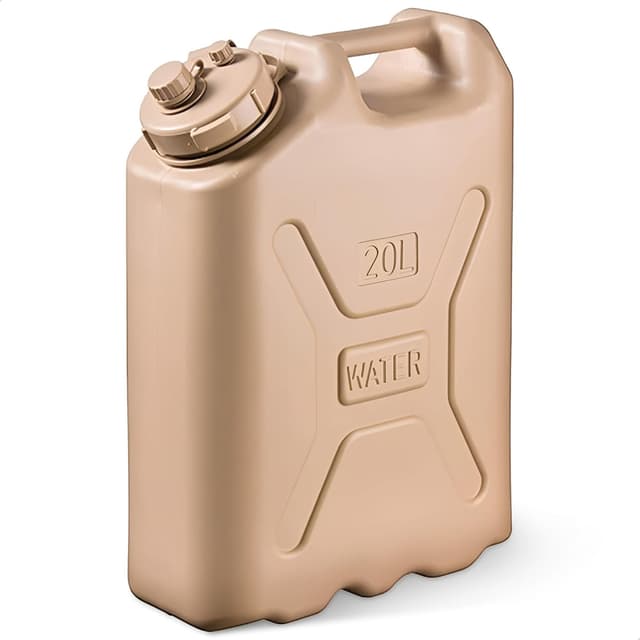
Water
Scepter 2.5 Gallon Water Container
Lighter and easier to carry than the 5-gallon version.

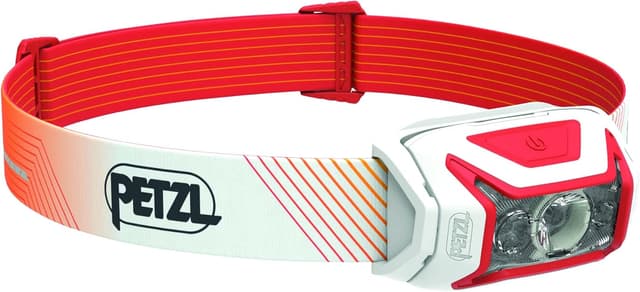
Power
Petzl Actik Core Headlamp
600 lumens and rechargeable. Hands-free lighting is critical during power outages.

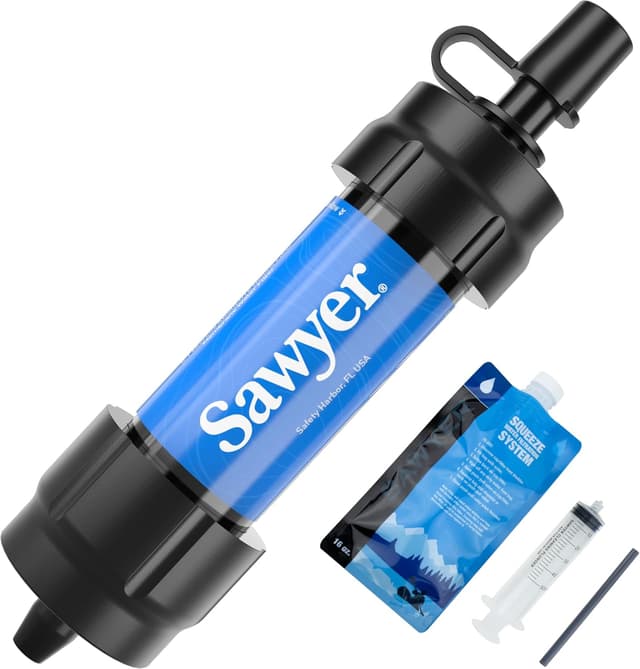
Water
Sawyer Products Mini Water Filtration System
Filters up to 100,000 gallons. Essential when tap water is compromised.
Your safety depends on your readiness. Start building your emergency kit for Hurricane now.
View Complete Gear Checklist βCompare Nearby Cities
| City | Risk Score | Analysis |
|---|---|---|
| Columbia | 90.8 | Choosing between Charleston and Columbia? Charleston presents a unique set of challenges. |
| Greenville | 83.8 | When compared to Greenville, Charleston is slightly higher risk. The difference of 15.2 points highlights local geological and meteorological variations. |
| Myrtle Beach | 98.3 | Myrtle Beach and Charleston share similar regional risks, but our data gives Myrtle Beach the edge in overall safety. |
| Rock Hill | 83.6 | Rock Hill and Charleston share similar regional risks, but our data gives Rock Hill the edge in overall safety. |
| Spartanburg | 78.4 | Choosing between Charleston and Spartanburg? Charleston presents a unique set of challenges. |
Frequently Asked Questions
How common are Hurricanes in Charleston?
With a risk score of 99.6 for Hurricane, Charleston is considered highly vulnerable. Residents should have a specific plan for Hurricane events, which are the primary driver of the city's overall risk profile.
Is Charleston safer than other cities in South Carolina?
It varies by hazard. While Charleston has its own risk profile (Total Score: 99.0), it is among the higher-risk areas in South Carolina. See our state rankings for a direct comparison.
Should I move to Charleston given the risk of Earthquake?
Every city has risks. The threat of Earthquake (Score: 98.9) is manageable with proper preparation. The local infrastructure in Charleston is designed to handle this, but personal insurance and a 'go-bag' are recommended.
How does Charleston compare to other cities in South Carolina?
See the full South Carolina Disaster Rankings to see how Charleston stacks up against other cities in the state.