Burleigh County hazard data

Bismarck, ND Disaster Risk

FEMA rates relative winter weather risk for Burleigh County as very high and reports FEMA annualized frequency of 5.159 per year for the area.

#1 of 2 covered North Dakota cities for winter weather risk β†’FEMA relative score 98.2/100 Β· county scale

FEMA summary

Bismarck's winter weather risk is very high at county scale.

FEMA's profile for Burleigh County reports FEMA annualized frequency of 5.159 per year for winter weather. FEMA's relative risk rating for the area is very high; the annualized frequency is a separate measure.

Hazard metrics cover FEMA county-equivalent geographies rather than individual addresses or parcels. Use local or state hazard maps before making a property, insurance, retrofit, or evacuation decision.

FEMA annualized frequency

5.159 per year

View hazard details ↓
FEMA area population
98,437
Data geography
County equivalent
FEMA relative score
98.2/100
FEMA source
v1.19.0

Explore hazards

Select a hazard to inspect FEMA's figures for Burleigh County.

FEMA NRI profile

Winter Weather

Very High

FEMA combines its area-wide loss estimate and community data in this relative rating. Event frequency appears separately below.

Relative FEMA score

98.2/100

FEMA annualized frequency
5.159 per year
FEMA area loss estimate
$1M
Recorded events
83

How to read this

Occurrence thresholds vary by hazard. The FEMA methodology defines the value for each hazard.

The area loss estimate combines FEMA's modeled losses to buildings, population, and agriculture across Burleigh County. It is not an estimate for a home or address.

City risk summary

Winter weather risk in Bismarck

For Bismarck, FEMA rates winter weather risk for Burleigh County as very high, with a relative score of 98.2/100. The next highest relative scores are hail at 97.4/100 and cold wave at 94.7/100.

Using FEMA data for Burleigh County, Bismarck is #1 among 2 covered North Dakota entries for winter weather risk.

What to check for winter weather

  • βœ“Check safe backup heat, pipe protection, and snow or ice removal plans.
  • βœ“Keep vehicle supplies ready for delays and closed roads.
  • βœ“Plan for several days without power, deliveries, or normal travel.

Household preparation

Official guidance β†—

For homeowners and movers

  • βœ“Confirm the exact hazard using official local maps before making property or insurance decisions.
  • βœ“Review policy exclusions, deductibles, and temporary-living coverage with a licensed professional.
  • βœ“Keep inspections, inventories, and critical documents in a secure location you can access after an emergency.

Preparedness actions

  • βœ“Know how local officials issue warnings and evacuation instructions.
  • βœ“Maintain water, food, lighting, medications, and communications for several days.
  • βœ“Create a household communication plan and practice it before an emergency.
Build your household checklist
Brownstone apartment buildings
Urban Survival

The Apartment Fortress

Living in Bismarck? Learn how to handle water storage, sanitation, and security in a small space.

Read the Guide β†’

Where this profile applies

The map shows Bismarck. All FEMA figures on this page cover Burleigh County.

Loading map…
City
Bismarck, ND
FEMA data area
Burleigh County
County FIPS
38015

Questions about disaster risk in Bismarck

The FEMA figures cover Burleigh County. Address-level conditions require local maps, building records, and property details.

How much winter weather risk does Bismarck, ND have?

FEMA rates relative winter weather risk for Burleigh County as very high. Its FEMA annualized frequency is 5.159 per year. Damage at a specific address also depends on the building, soil, elevation, and exact hazard zone.

Where does Bismarck rank for winter weather risk in North Dakota?

Among 2 North Dakota cities covered by this directory, Bismarck is #1 for relative winter weather risk based on FEMA's score for Burleigh County. Homes within Bismarck can have different soil, elevation, construction, and hazard-zone conditions.

Which natural hazards rank highest around Bismarck?

In FEMA's data for Burleigh County, the highest relative ratings are Winter Weather (Very High), Hail (Relatively High), and Cold Wave (Relatively High). FEMA uses estimated losses and community data along with event frequency when assigning these ratings.

Are the disaster-risk numbers for Bismarck or Burleigh County?

The hazard numbers cover Burleigh County. For an individual home, check local fault, flood, fire, evacuation, and building records for the exact address.

Is Bismarck safe from natural disasters?

FEMA gives Burleigh County an overall relative risk rating of relatively low. Conditions at a specific home depend on its hazard zones, building type, maintenance, insurance, and access to evacuation routes and emergency services.

What should a household in Bismarck do first for winter weather preparedness?

Start with this step: Confirm the exact hazard using official local maps before making property or insurance decisions. Know how local officials issue warnings and evacuation instructions. Use Ready.gov Be Informed and local emergency guidance for a complete plan.

Relevant preparedness gear

Limited to products tagged for winter weather or general preparedness.

Disclosure: As an Amazon Associate, this site may earn from qualifying purchases.

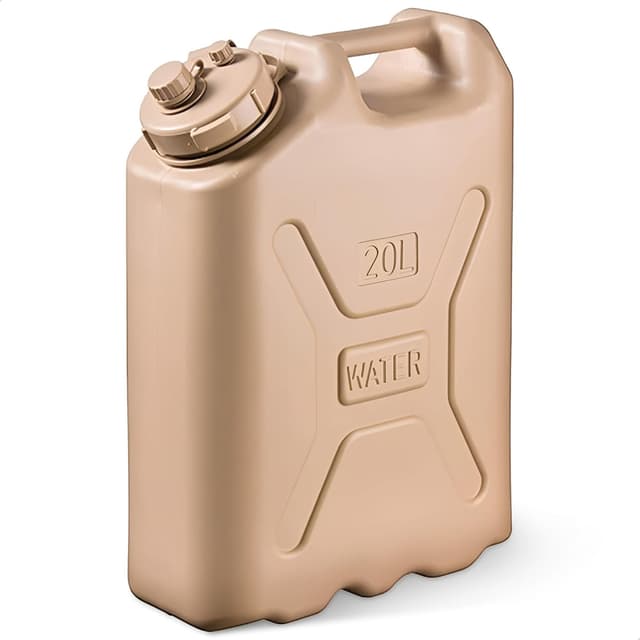
Scepter 5 Gallon Water Container

Water

Scepter 5 Gallon Water Container

Bombproof water storage. 5 gallons is the minimum for one person for 5 days.

View product
Petzl Actik Core Headlamp

Power

Petzl Actik Core Headlamp

600 lumens and rechargeable. Hands-free lighting is critical during power outages.

View product
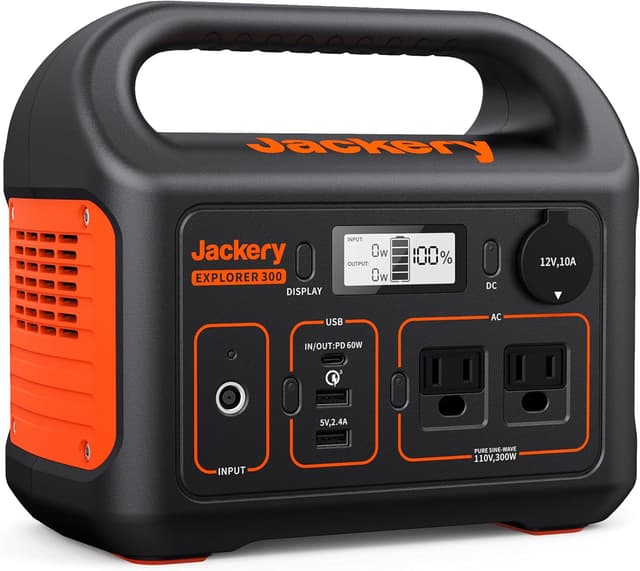
Jackery Explorer 300

Power

Jackery Explorer 300

Keep phones and laptops charged during multi-day outages.

View product

Data sources

Hazard metrics come from FEMA National Risk Index v1.19.0 (March 2023). City population and coordinates come from SimpleMaps US Cities Database. For current conditions, use official local maps, warnings, inspections, and professional advice.